April 06, 2021 - Greg O'Brien

COVID-19 Vs. Alzheimer’s: A Rocky Prizefight!

A year into the COVID-19 pandemic, life in some ways is still a cross between “ Groundhog Day” and “ The Shining,”and a fleck of “ Alice in Wonderland” where “nothing would be what it is because everything would be what it isn’t.” While some relief has arrived in the form of COVID-19 vaccinations, seeking the so-called “herd immunity,” finding a balance between conservative and liberal narratives, continues to be a moving target. Given growing concerns about COVID-19 variants worldwide, many are now saying we need a Marshall Plan for global vaccinations. I’ve never been a fear monger, but my
March 19, 2021 - Jason Resendez

What COVID-19 Taught Us About Race, Health and Wealth

This piece was originally published in NextAvenue. The last time I saw my family in person was last February at a conference in South Texas. It was the first time my 10-year-old nephew and six-year-old niece saw me on stage in front of hundreds of people talking about racial inequities in Alzheimer's research, my area of expertise. I don't know how much of the discussion they understood, but I know they saw their uncle, a first-generation college graduate, alongside experts from across the country holding his own. Afterwards, we munched on enchiladas and talked about the hamsters my husband and
Thumbnail
February 23, 2021 - Greg O'Brien

A Case for FDA Approval: Biogen’s Aducanumab - First-Ever Drug to Slow Progression of Alzheimer’s

Time kills deals, as the saying goes. And the biggest deal on the Alzheimer’s front—in terms of improving cognition in the early stages of the disease—is Biogen’s new drug aducanumab, currently under review by the Food and Drug Administration (FDA) for approval. If approved, aducanumab would be the first-ever drug to slow the progression of Alzheimer’s and first-ever drug to treat mild cognitive impairment. Early-stage Alzheimer’s has not been afforded a new approved therapy in more than 17 years. No other major disease of Alzheimer’s scale and mortality has gone that long without incremental therapeutic relief. George Vradenburg, the UsAgainstAlzheimer’s
Thumbnail
January 13, 2021 - Kelly O'Brien

The Biden Administration Can Reinvigorate the National Fight Against Alzheimer’s

The Biden-Harris administration should renew and recommit to the national goal of preventing and effectively treating Alzheimer’s disease by 2025. This goal was set 10 years ago this month. It has spurred critical investments in research and interagency collaboration which have changed the trajectory of Alzheimer’s science and brought the movement to a new precipice of hope and opportunity. At the current pace, however, this effort will fall far short of the finish line in 2025. What is required is renewed energy, sharper focus, and greater urgency – starting within the White House. But first, a bit of history: The
Thumbnail
December 02, 2020 - Virginia Biggar

COVID-19 and Dementia: What People Have Learned about Themselves

The Alzheimer’s community has experienced enormous hardship and heartache since the COVID-19 pandemic started in March. Dementia caregivers are dealing with ongoing stress and people with Alzheimer’s report more rapid cognitive decline. Nursing home residents have been terribly affected by COVID-19 with rising cases and deaths, and restrictions on visitors meaning long separations from family. Throughout the last eight months, UsAgainstAlzheimer’s A-LIST has surveyed caregivers and people living with dementia on the impact of the pandemic, and learned about their stress, their isolation and their fears. But the surveys also have shown their insights and introspections. In a recent survey
Thumbnail

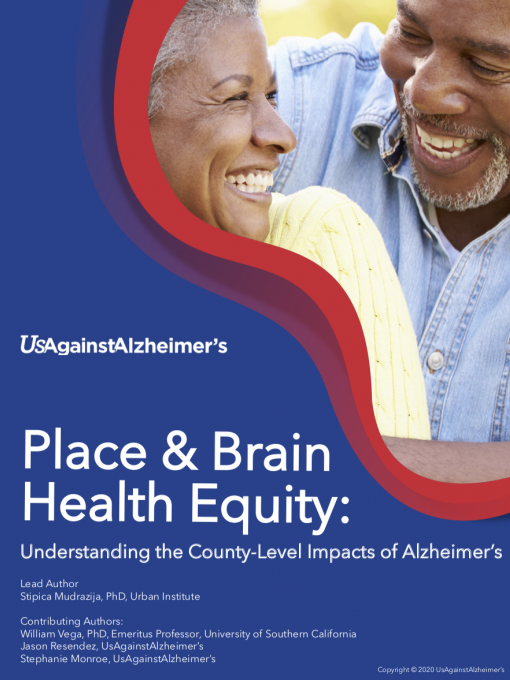
Place & Brain Health Equity: Understanding the County-Level Impacts of Alzheimer’s

The effects of where people live, and the social determinants of health are under-recognized and under-appreciated in our national response to effectively treat and prevent Alzheimer’s. This report found that deep social inequities exist in countries highly impacted by Alzheimer’s...

Download Report
Thumbnail
November 05, 2020 - Lynda Everman and Don Wendorf

Supporting Families Living with Dementia

November is both National Alzheimer's Disease Awareness Month and National Family Caregivers Month, and it offers an opportunity to recognize the efforts made to end Alzheimer’s and to acknowledge and support family caregivers. In our nation, 5.8 million people are living with Alzheimer’s or a related dementia, and more than 16.1 million family caregivers will provide an estimated 18.6 billion hours of difficult, selfless, and unpaid care in 2020, with a financial value of $305 billion. The numbers, the sacrifices and the suffering are staggering. And so is the isolation that comes with this disease – an isolation and loneliness

Thumbnail
October 19, 2020 - Virginia Biggar

COVID-19 and Dementia: Lessons for the Next Pandemic

People with dementia and care partners are among those hardest hit by the COVID-19 pandemic, particularly Black and Latino families. A new UsAgainstAlzheimer’s A-LIST® survey shows ongoing closures and restrictions continue to seriously affect the memory and behaviors of those living with Alzheimer’s and other dementias, and cause enormous ongoing stress for caregivers. In our September A-LIST survey, we asked respondents, “What do you think your local, state and federal governments, and community-based groups, should be doing to help those living with dementia or mild cognitive impairment and their caregivers to prepare for the next pandemic?” Here are some of
Thumbnail
October 14, 2020 - Virginia Biggar

COVID-19 and Dementia: Imagining the Future with a Vaccine

With the national conversation focused on when a vaccine for COVID-19 might be approved and available, our recent UsAgainstAlzheimer’s A-LIST® survey asked the Alzheimer’s community about how their lives might change with an available vaccine. The September survey showed that 60 percent of survey respondents intend to get a COVID-19 vaccine when it is available. That’s nearly double the percentage of respondents in a recent national survey, but it still reflected concern that the vaccine development and testing was being rushed for political reasons. No community is being harder hit by a non-infectious disease in the middle of the COVID-19
Thumbnail
October 01, 2020

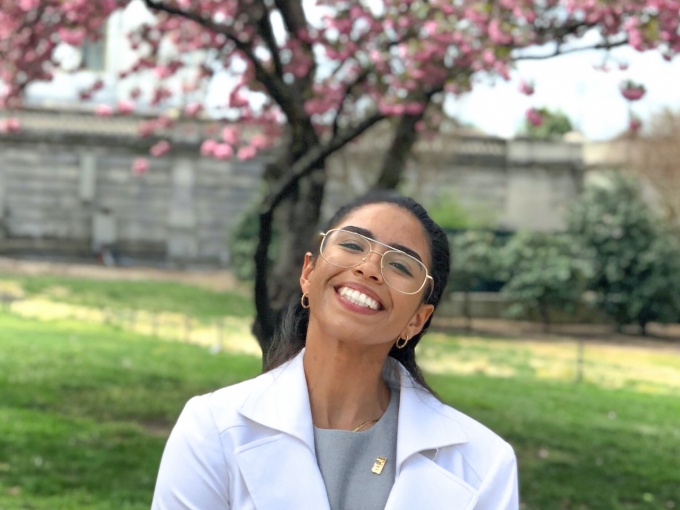
Q&A with UsA2 Brain Health Equity Intern Sofia Arraut

During Hispanic Heritage Month, we have been featuring researchers, civil rights leaders, and people living with Alzheimer’s and related dementias on UsAgainstAlzheimers’ (UsA2) Twitter and Facebook accounts. Today we want to feature one of the youngest members on our team working to address Alzheimer’s in Latino communities. Sofia Natalia Arraut is a paid intern with our Brain Health Equity and Access program and attends Florida International University (FIU) where she is studying Nutritional Science with a Chemistry minor on a pre-medicine track. Too often, people think of Alzheimer’s as a disease that only affects older people, but its impacts are
Read more Brain health LatinosAgainstAlzheimer's