
Significant hormonal changes associated with menopause might affect cognitive function in addition to physical and emotional well-being. According to new research, the menopausal transition may affect dementia risk, especially due to changes in estrogen levels and how they affect the brain. With a focus on recognizing midlife cognitive changes, evaluating dementia risk, and incorporating preventive measures into clinical practice, this course investigates the biological mechanisms that connect menopause and brain aging.
Expert Presenter
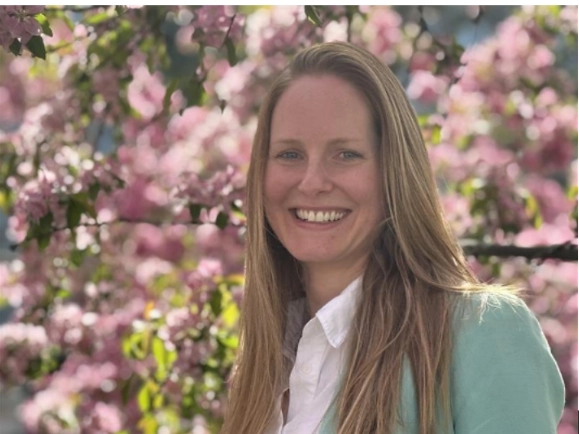 Dr. Rachel Buckley is an Associate Professor of Neurology at Massachusetts General Hospital and Brigham and Women’s Hospital. She is a recent past-recipient of an NIH-NIA K99/R00 Pathway to Independence award and an NIH DP2 New Innovator Award. After initially completing her PhD in Neuropsychology at the University of Melbourne, Australia, with the Australian Imaging Biomarker and Lifestyle Study of Aging, she then moved to Boston to train in PET neuroimaging and cognitive decline under the mentorship of Dr. Reisa Sperling at the Harvard Aging Brain Study. Her research interests lie in sex differences in risk for Alzheimer’s disease, and she holds multiple NIH grants seeking to optimize women’s brain health in neurodegenerative disease, with a specific focus on the role of menopause, sex hormones and the X chromosome to impact risk and resilience to Alzheimer’s disease. Rachel is the Chair of the Sex and Gender Differences in Alzheimer’s disease Professional Interest Area for the Alzheimer’s Association and sits on the editorial board for Neurology, as well as the Alzheimer’s & Dementia sister journal, Diagnosis, Assessment & Disease Monitoring.
Learning Objectives:
- List 6 or more modifiable risk factors for dementia
- Evaluate interventions, including hormonal and lifestyle approaches, that may support brain health during and after menopause
- Summarize the current evidence linking menopause and increased dementia risk
- Identify special considerations for high-risk populations