Celebrating Hispanic Heritage Month: Nurses Bringing Brain Health Home
Sign up and receive information on the latest news and updates.
For many families, a nurse is more than a health care provider. Nurses are trusted sources of information—people families turn to when they have questions about their health, their loved ones, and what they can do to stay well. That trust can be especially powerful when it comes to brain health and Alzheimer’s disease.
In honor of Hispanic Heritage Month, UsAgainstAlzheimer’s is highlighting the nurses working to bring brain health education, Alzheimer’s awareness, and risk reduction information directly into Latino communities — and helping make sure more families have the knowledge they need to take action.
Empowering nurses to advance brain health equity
The UsAgainstAlzheimer’s Brain Health Equity Nurse Fellowship equips nurses with the knowledge and tools to improve brain health education and early Alzheimer’s detection in communities that have historically experienced disparities in care. With a particular focus on Black and Latino communities, the program trains nurses to become trusted ‘brain health ambassadors’ who can bring culturally relevant information directly to the people and communities they serve.
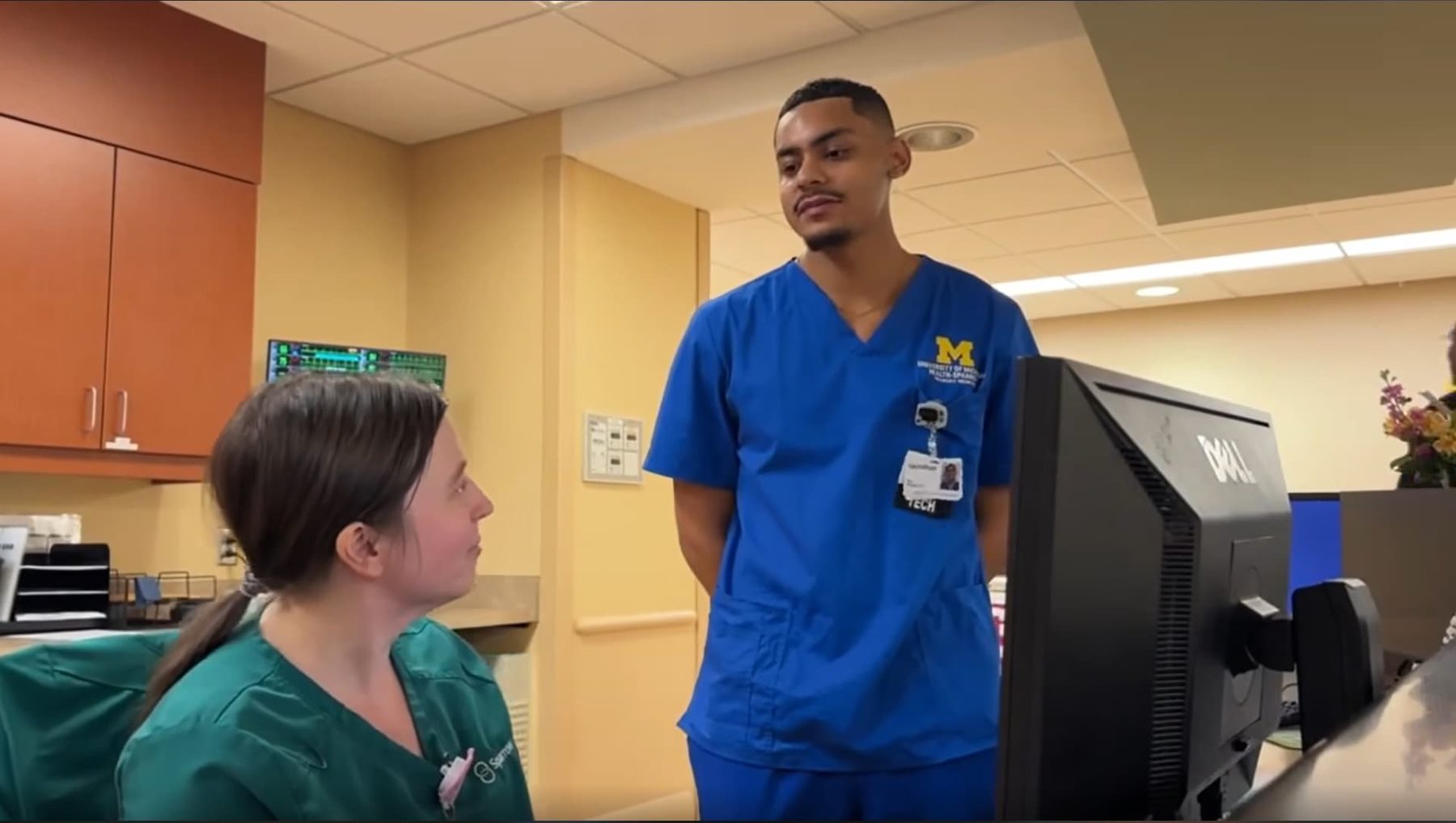
This critical mission was recently highlighted in a local story featuring Zachariah Hernandez, an Oakland University School of Nursing student and member of UsAgainstAlzheimer’s 2026 Brain Health Equity Nurse Fellowship. After more than two years of experience in long-term care, Zachariah has witnessed firsthand the profound impact Alzheimer’s disease can have on individuals and families, which has shaped his commitment to education and prevention efforts. Watch his story below and read more from the National Association of Hispanic Nurses.
Bringing brain health education into communities
Zachariah’s experience underscores the central reason the fellowship was created: Nurses are often a trusted source of health information, but brain health and Alzheimer’s education are not always part of their training. Through the fellowship, nurses gain evidence-based information about Alzheimer’s and related dementias and learn how to share it with their peers, patients, families, and communities.
That work is particularly important in Black and Latino communities, which are disproportionately impacted by Alzheimer’s and often face barriers to early detection and culturally relevant health information. By 2030, Black and Latino people are projected to make up 40 percent of people living with Alzheimer’s in the United States.
Building a network of brain health ambassadors
Created by UsAgainstAlzheimer's, in partnership with the National Association of Hispanic Nurses and the National Black Nurses Association, the Brain Health Equity Nurse fellowship helps nurses bring brain health conversations into the communities where they both live and work. Fellows receive education on Alzheimer’s risk reduction and health disparities, develop leadership and communication skills, and lead brain health conversations with nursing peers and community members.
Investing in trusted voices
As we celebrate Hispanic Heritage Month, the Brain Health Equity Nurse fellowship is a reminder that advancing brain health equity requires sustained investment in the trusted community voices who can meet people where they are.
Nurses have a unique opportunity to help families understand Alzheimer’s risk, recognize the importance of early detection, and take steps to support lifelong brain health.
UsAgainstAlzheimer’s is preparing for the 2027 Brain Health Equity Nurse Fellowship and looking forward to the next class of nurses and nursing students.
Interested in joining? Sign up here to be notified when applications for the 2027 Brain Health Equity Nurse Fellowship open. Because advancing brain health equity starts with trusted voices, and nurses are helping bring that knowledge directly into the communities who need it most.