
Advancing Women’s Brain Health
Research over the last ten years has highlighted that women face distinct, differential risks of Alzheimer’s, notwithstanding the distinct and different sex-based prevalence of the disease. Contributors to women’s brain health include but are not limited to genetic, biological, social, and environmental factors. Our current national policy structure in biomedical research, drug development and access, and public health, does not adequately support the prioritization of research and interventions in sex-based differences. Current investments fail to reflect integration of strategic planning in Alzheimer’s with women’s health research priorities; public health strategies are not reaching women in their daily lives in terms of prevention and risk reduction; and new treatments often yield differential results between sexes.
Since its founding in 2010, UsAgainstAlzheimer’s has been dedicated to supporting women. In 2026, we launched an initiative dedicated to Advancing Women’s Brain Health. Advancing Women's Brain Health is a continuation of the work we have championed since 2010 through our previous WomenAgainstAlzheimer’s network, Women’s Leadership Council, and more.
The initiative is a cross-sector collaboration that will seek to identify gaps in funding, regulation, public health strategies, and data, and then push for specific policy solutions that will prioritize women’s brain health and advance precision prevention strategies and disease interventions that are urgently needed.
Advancing Women’s Brain Health: A Policy Convening Meeting Materials
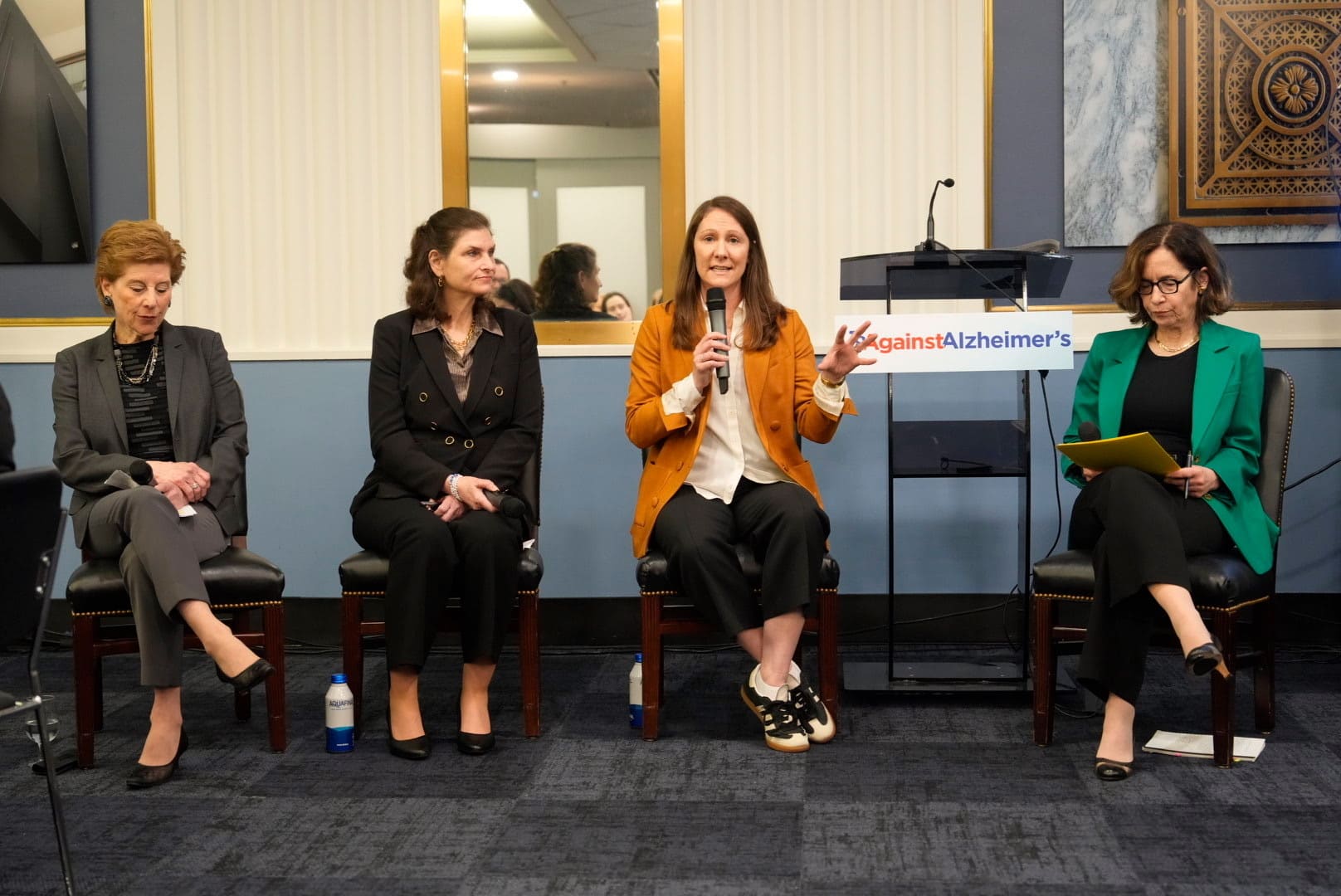
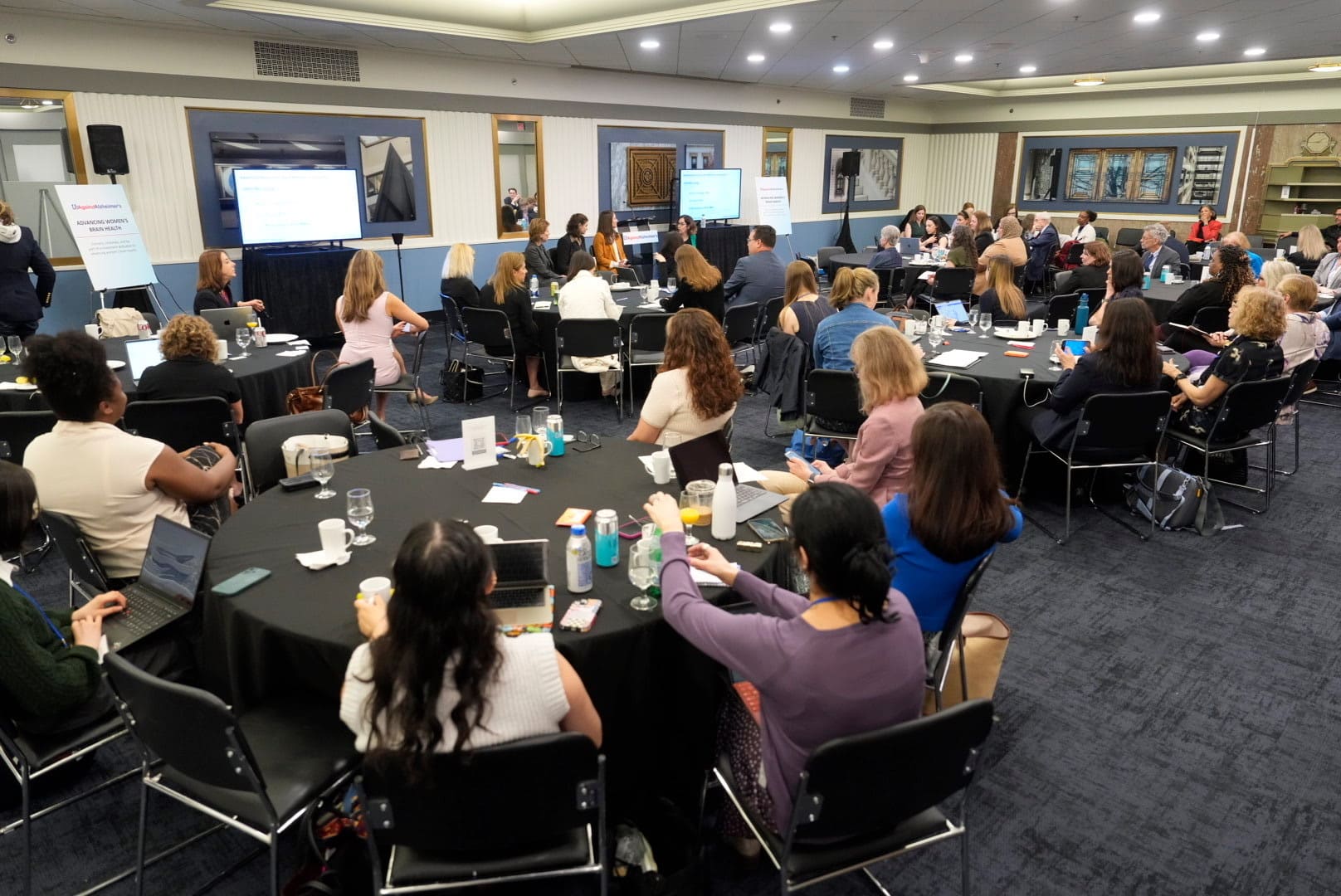
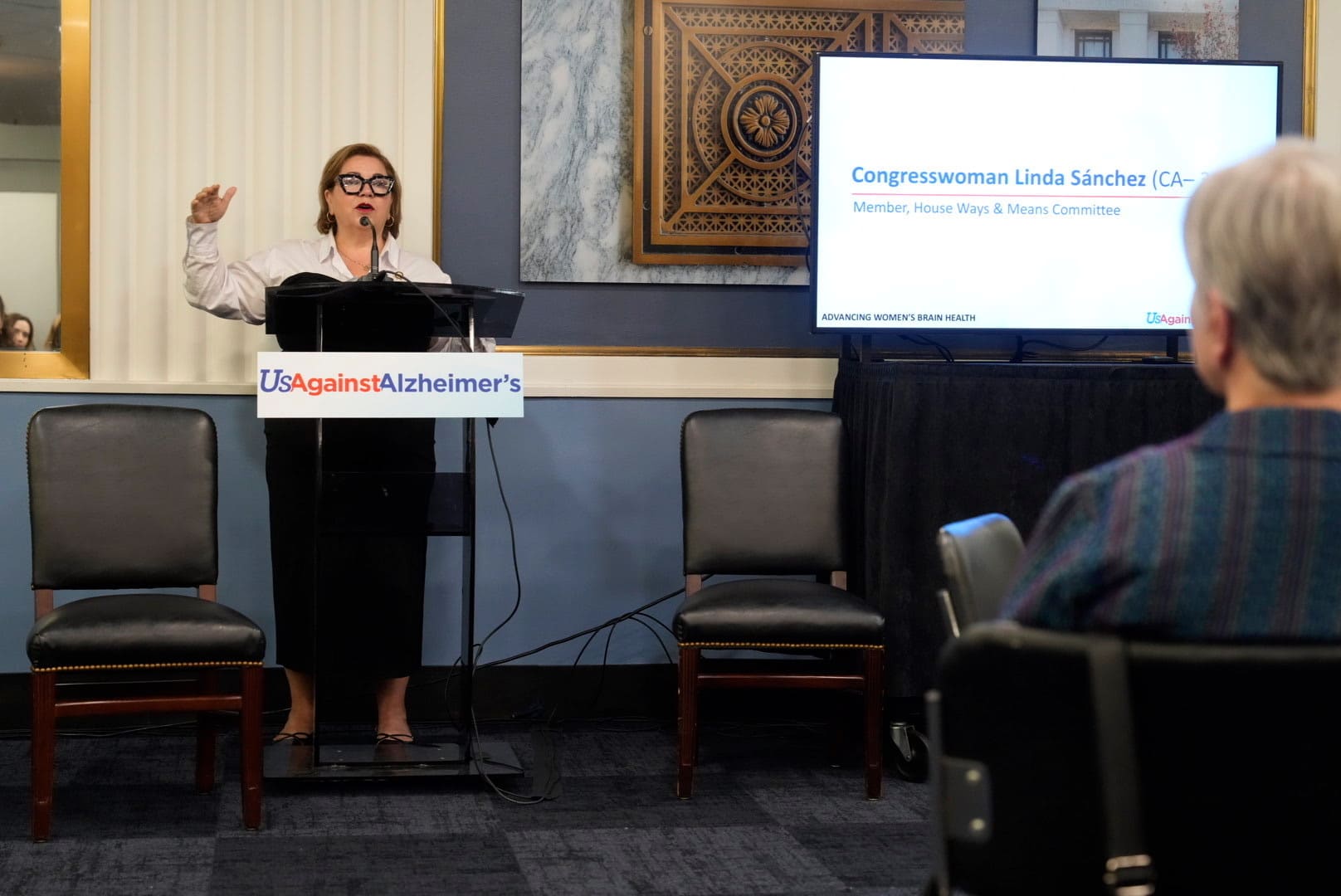
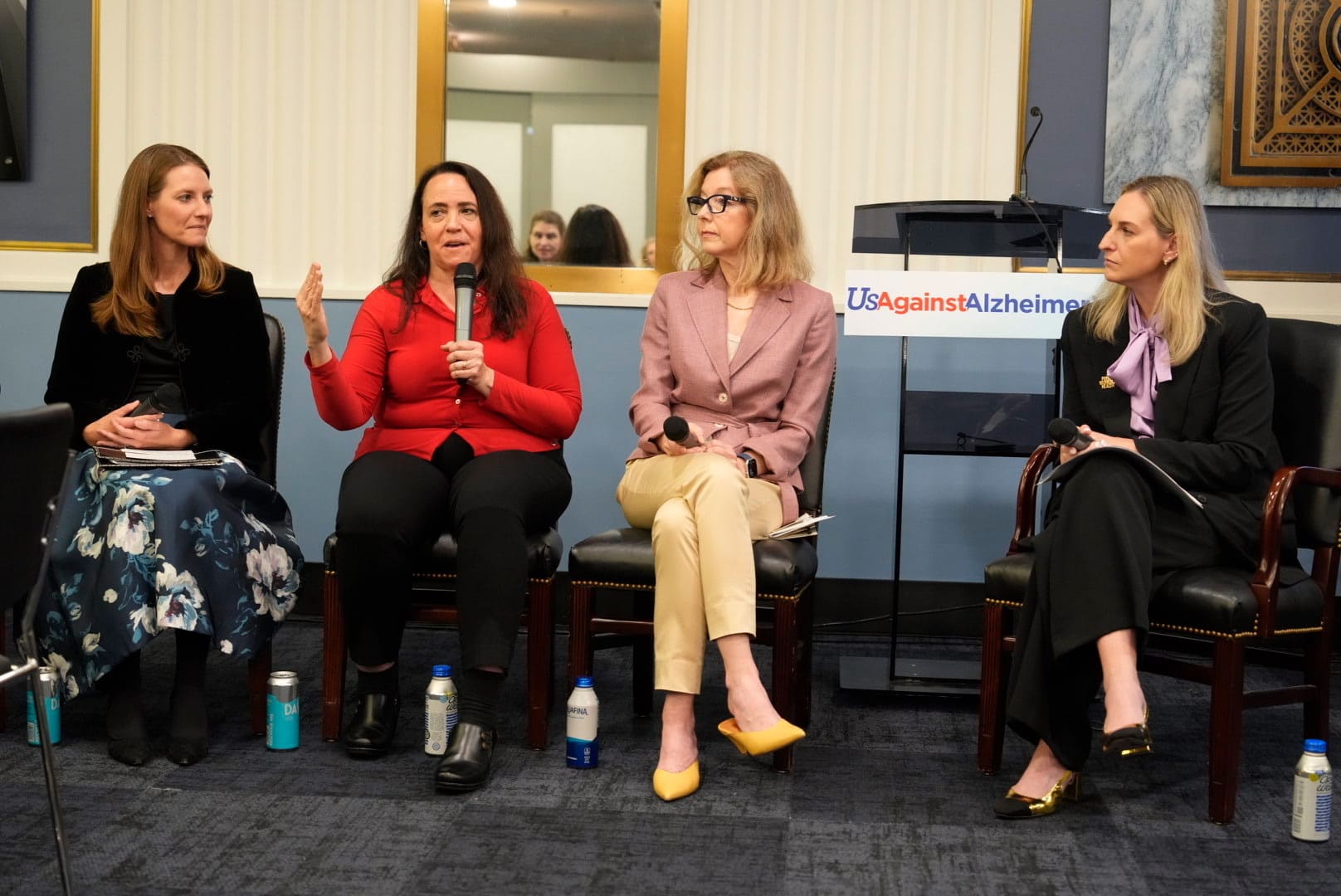
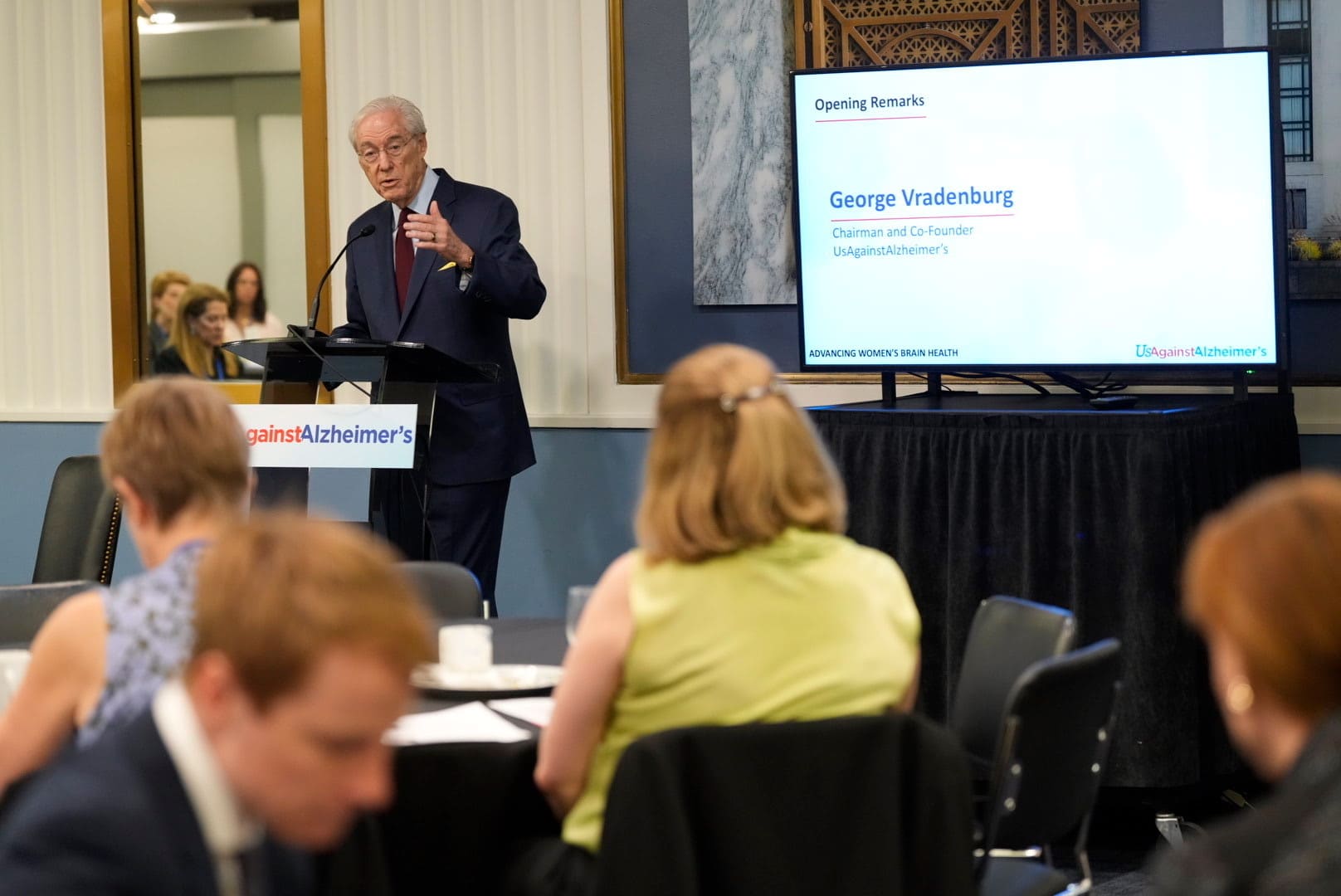
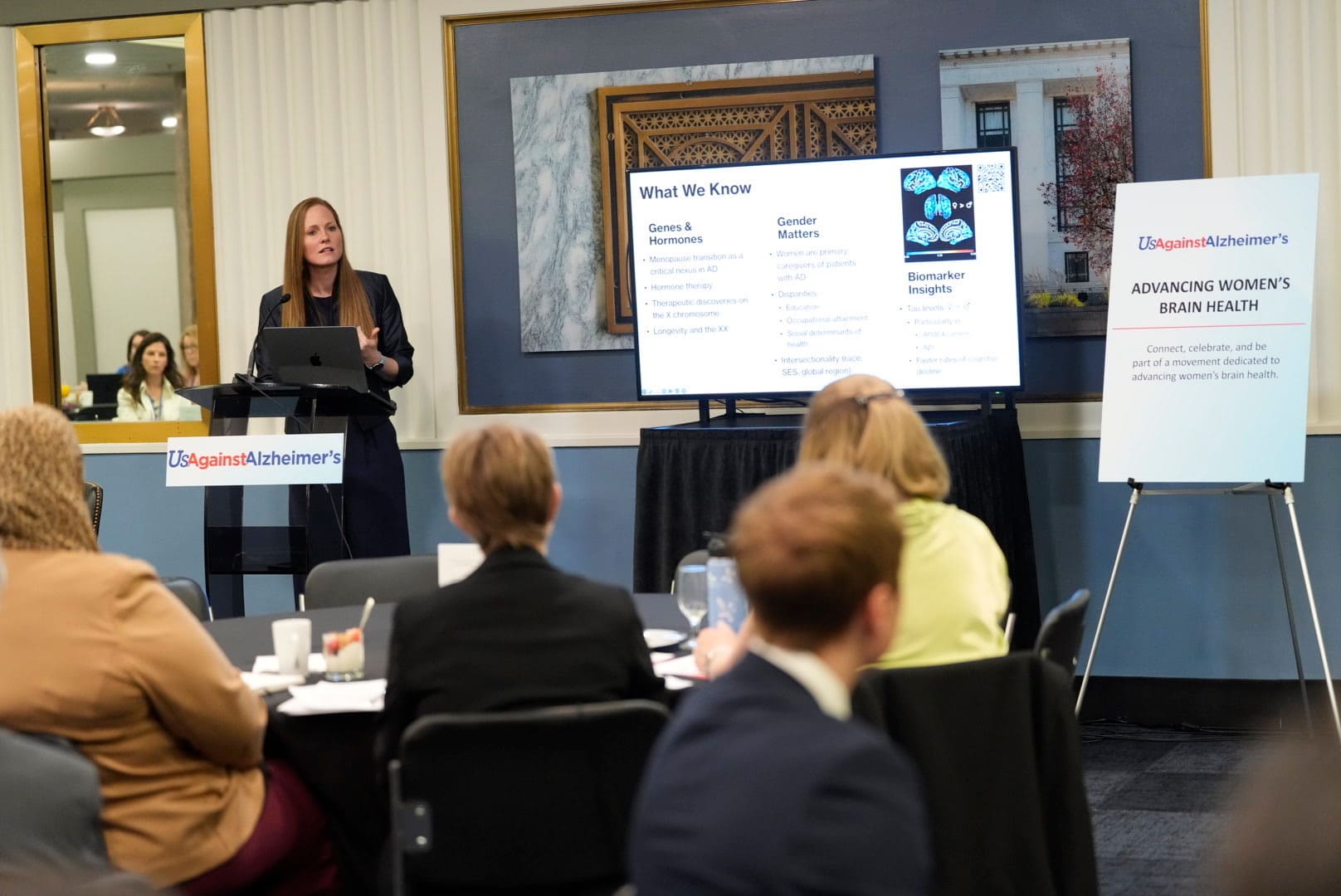
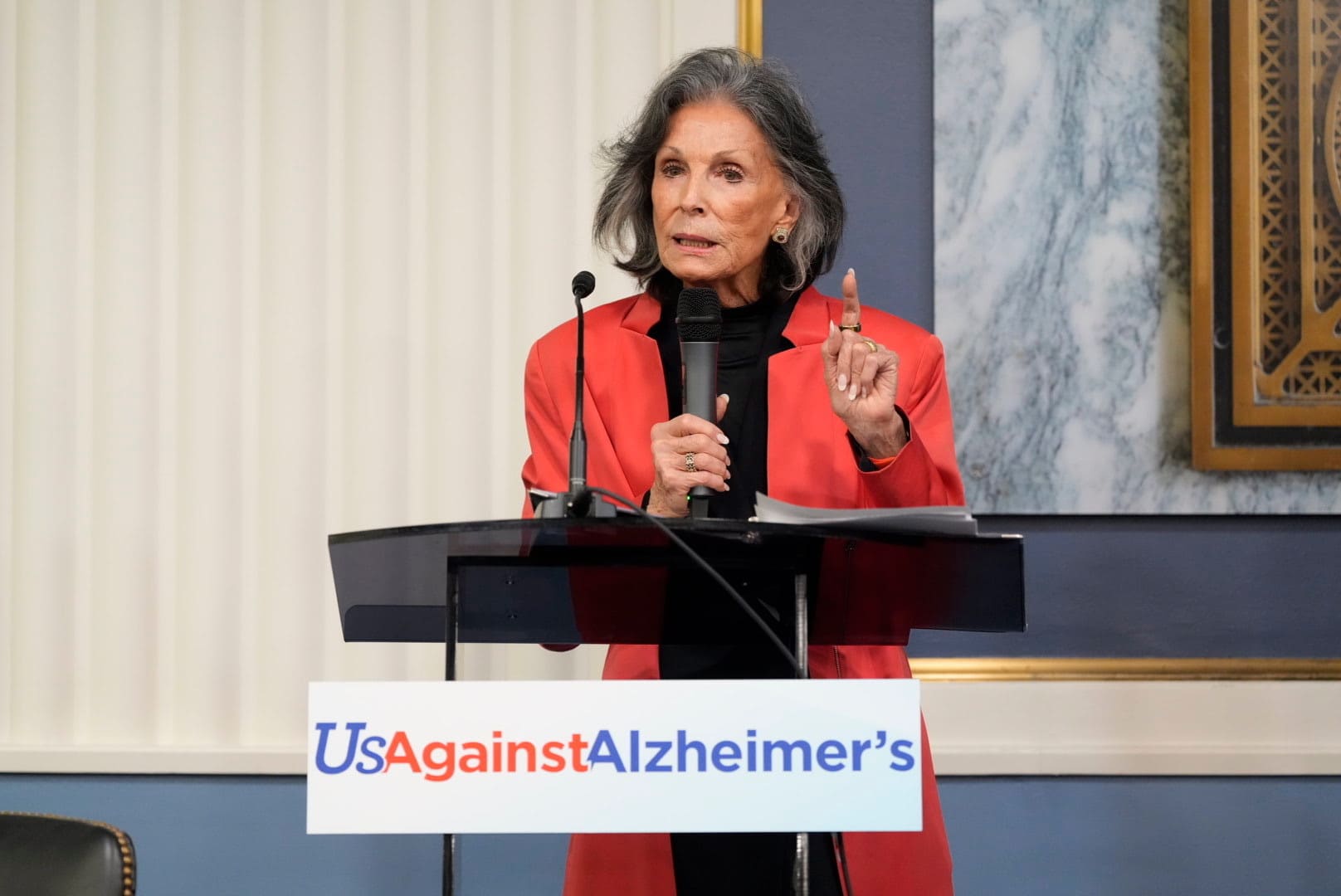
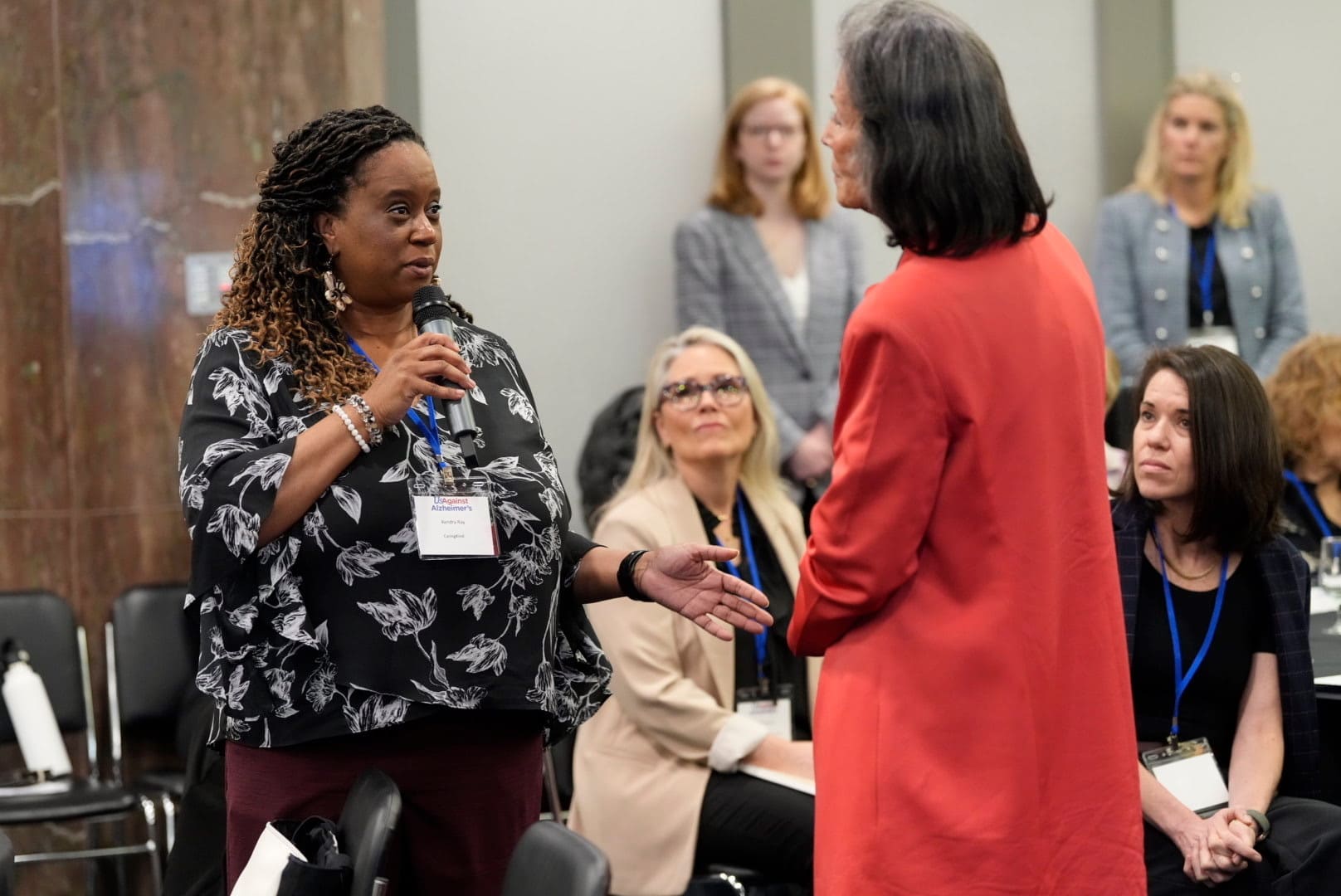
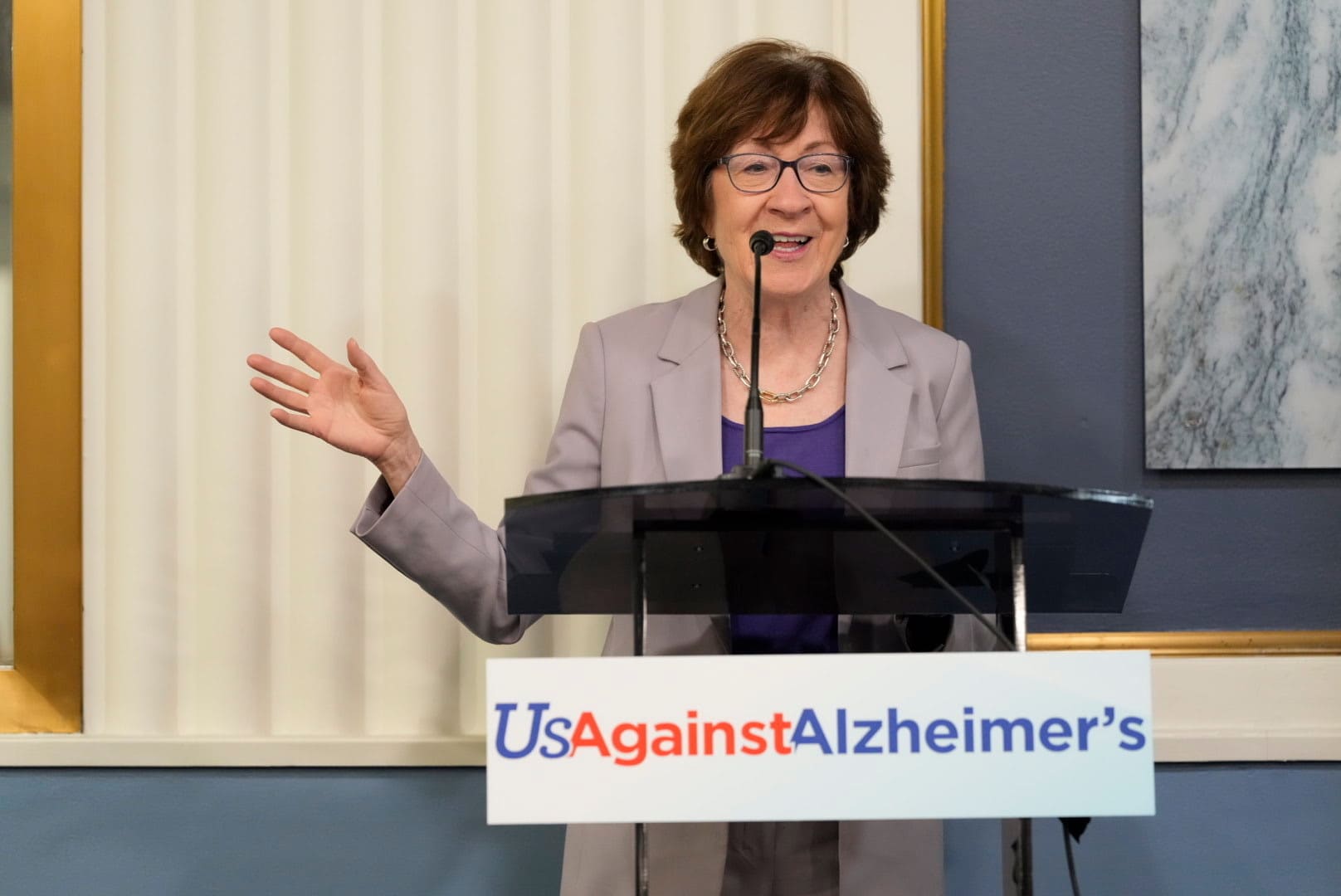
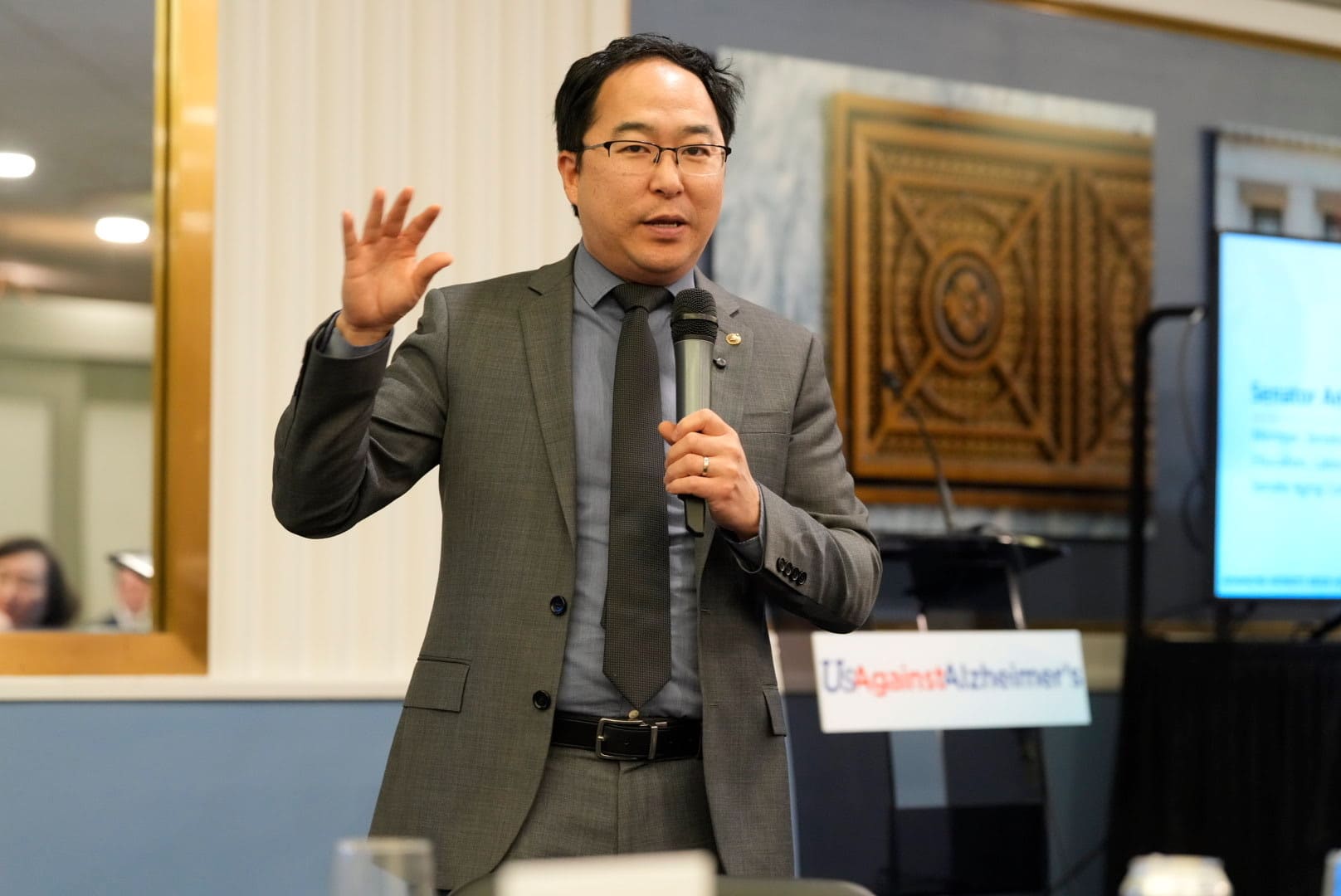
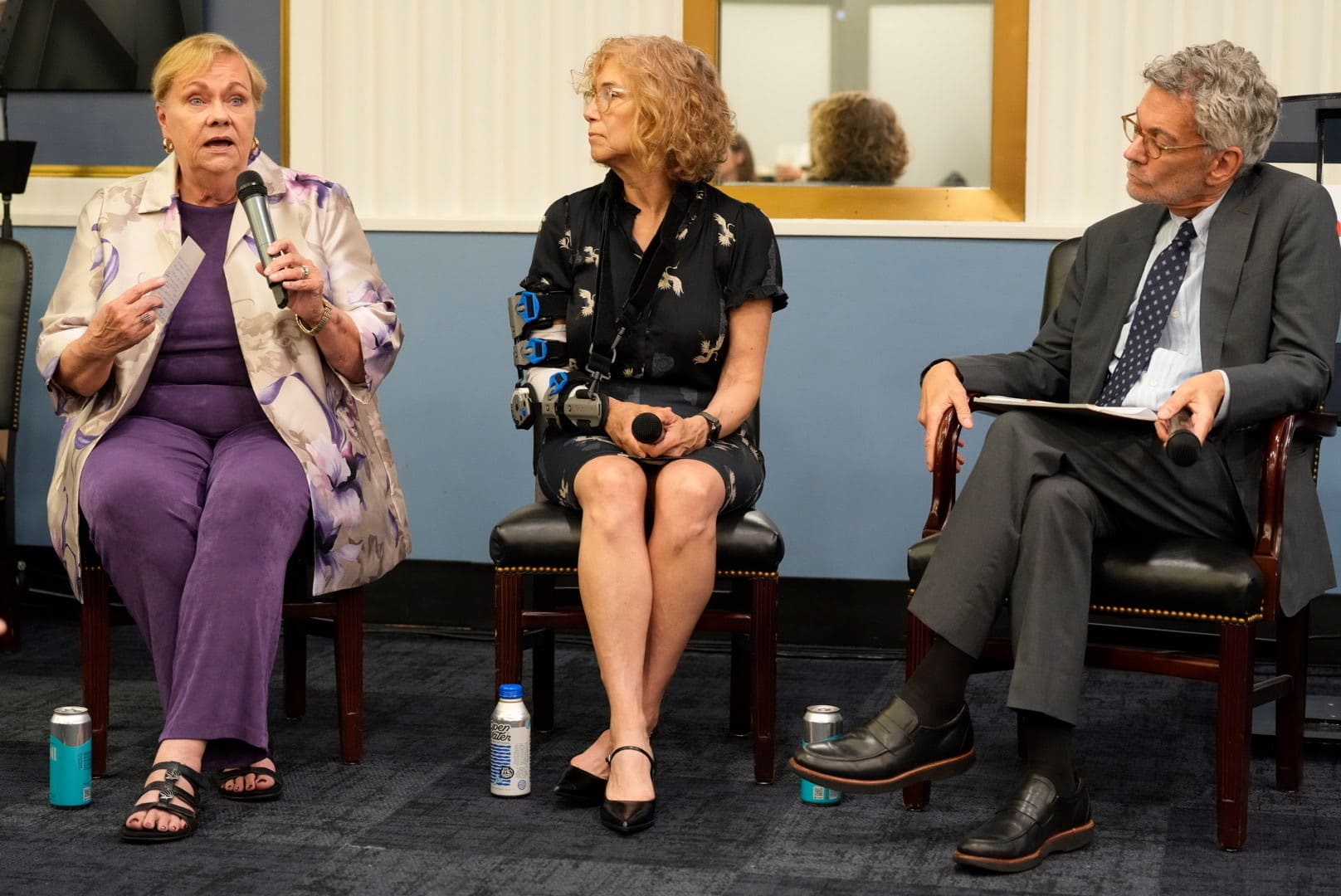
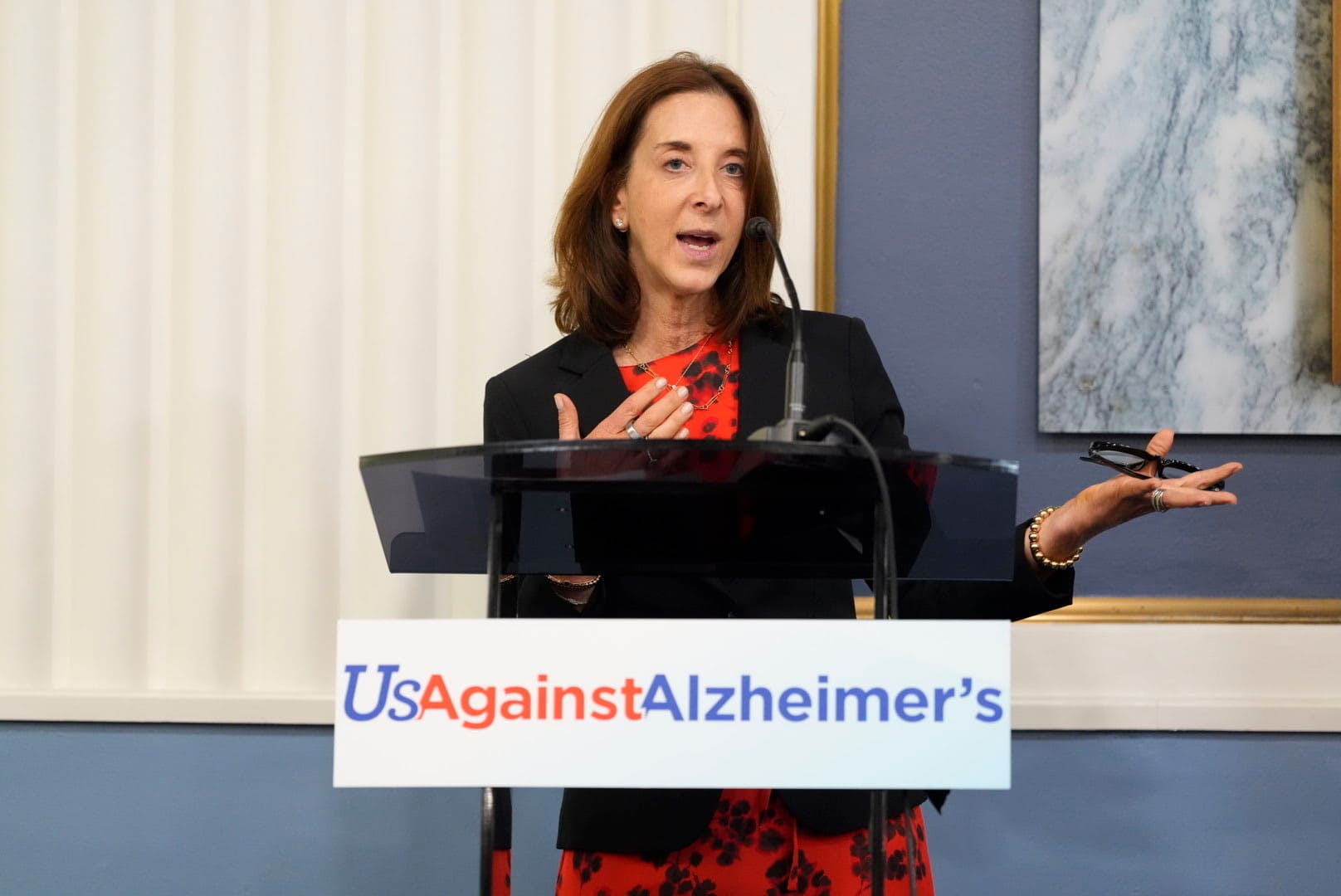
In April 2026, our first convening focused on federal policy and brought together individuals with lived experience, and senior government, nonprofit, industry and academic leaders to discuss the current policy gaps and start to outline potential policy solutions. Find links to meeting materials here:
We are actively planning next steps following the meeting, including the creation of policy plans and voluntary working groups.