EXERT Exercise Study - Dr. Laura Baker
About This Episode
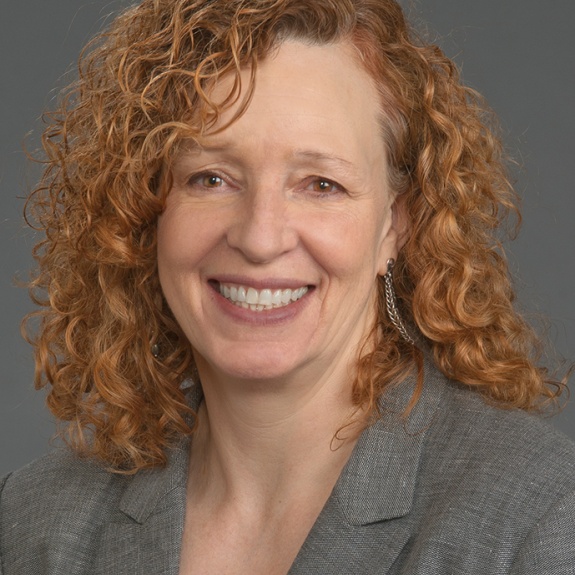
For our final Alzheimer’s Talks call for 2016, we were honored to have Dr. Laura Baker join us to discuss her research on the impact of aerobic exercise on Alzheimer’s disease and memory loss, and to provide details of a new study she is conducting called the EXERT trial.
Dr. Baker is Associate Professor of Gerontology and Geriatric Medicine at Wake Forest School of Medicine, and Associate Director of the new Wake Forest Alzheimer’s Disease Center. Dr. Baker is a nationally recognized leader on the topic of aerobic exercise as a treatment for memory decline associated with pre-clinical and early stage Alzheimer’s disease.
CLICK THE PLAY BUTTON AT LEFT TO HEAR THE DISCUSSION.
Here are a few key highlights from the call:
"Sedentary" is the new smoking
Our nation has moved towards a more sedentary lifestyle, for example sitting at desks or in front of the television for hours, and increased reliance on driving to get from one place to another. We’re seeing negative health impacts that are similar to those associated with smoking on the heart, blood vessels, and maybe even the brain.
Exercise may be medicine for the brain
The results of animal studies provide strong support for health-restoring effects of aerobic exercise in the brain. In previous, smaller-scale human studies, Dr. Baker and her team have showed that as little as six months of aerobic exercise improved memory and thinking abilities, volume and resting blood flow in the brain. The next step in this area of research will be to determine whether aerobic exercise can slow progression of memory loss and prevent the development of Alzheimer's disease.
Finding the right prescription
Previous research has led Dr. Baker to believe that regular exercise may have an anti-Alzheimer’s effect. She is working with Dr. Carl Cotman of the University of California-Irvine, and the Alzheimer’s Disease Cooperative Study of the University of California-San Diego to conduct a large clinical trial to test the effects of 2 different doses of exercise on memory and thinking and other measures of brain health.
The EXERT trial
The EXERT trial is currently enrolling participants in thirteen cities across the country. Participants must be sedentary, between the age of 65 and 89, and have a mild memory impairment. The study is a randomized, controlled, clinical trial. Therefore, some participants will be assigned to the stretching-balance-range of motion group and others will be assigned high dose aerobic exercise group for eighteen months. Both groups will be supervised by YMCA personal trainers.
Thank you to Dr. Laura Baker for discussing her research examining the impact of aerobic exercise on brain health and the prevention of Alzheimer's disease dementia.